
Qigong is easy to copy but
difficult to understand.
Note: site is best viewed on a desktop
The movements are slow, and the forms seem simple. After a few classes, most people can follow along. Yet much more is happening beneath the choreography, I assure you.
There is structure, of course, but also breath. Attention and rooting. Circulation of yin and yang, which relates to the gathering and release of energy. And there are details such as relaxing fully while still holding the form (if that’s confusing, it should be).
These things take time to feel. More time to embody. And longer still to understand deeply enough to teach.
This nine-month training moves students through that territory — feeling, embodying, teaching — in that order. You will open and strengthen the body, develop the lower dantien, learn four foundational breathing methods, practice the Eight Brocades as a complete energetic form, and learn how to transmit the work clearly to beginning students.
Students who complete the training and demonstrate competency will receive a Green Sash Certification in Foundational Qigong and authorization to teach the foundational practices contained in the program.
How to Join
Scroll down for full course breakdown, costs, payment plan options, details, and schedule.
** Note — only three spots remain at the Early Bird price.
1.) Fill out the application
2.) Put down a fully refundable $150 deposit to hold your spot
What the Training Is
You will spend nine months learning how the practice actually works inside the body.
That means opening the joints. Lengthening and strengthening the tendons and ligaments. Developing flexibility. Learning to root without bracing. Building awareness in the lower dantien. Understanding what different breathing methods do. Feeling how energy gathers, moves, settles, and expresses through the body.
You will also learn the Eight Brocades as a complete foundational form.
The training includes:
36 weekly classes, 90 minutes per class
8 monthly weekend intensives, 2 hours per intensive
7o hours of live instruction
Personal practice between classes
Teaching exercises and supervised practicums
A final competency assessment
And inside of these things we’re doing, we will also take moments to drop into the stillness that is here, now, right under your very awareness, throughout your entire body, waiting to be discovered, cultivated, and embraced.
By the end of our training together, you will have far more than a form you can just perform. You will have a practice path.
My Background
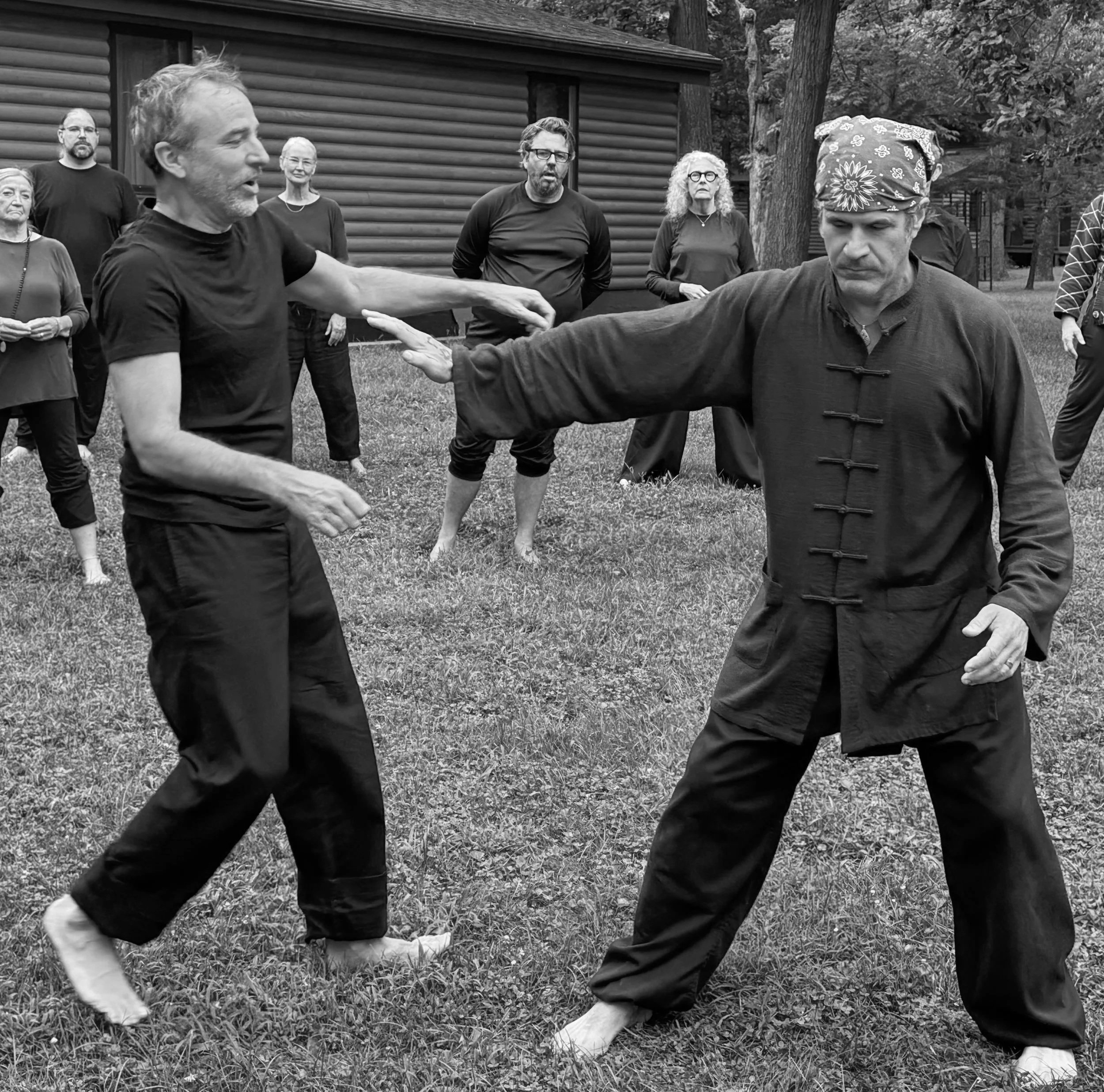
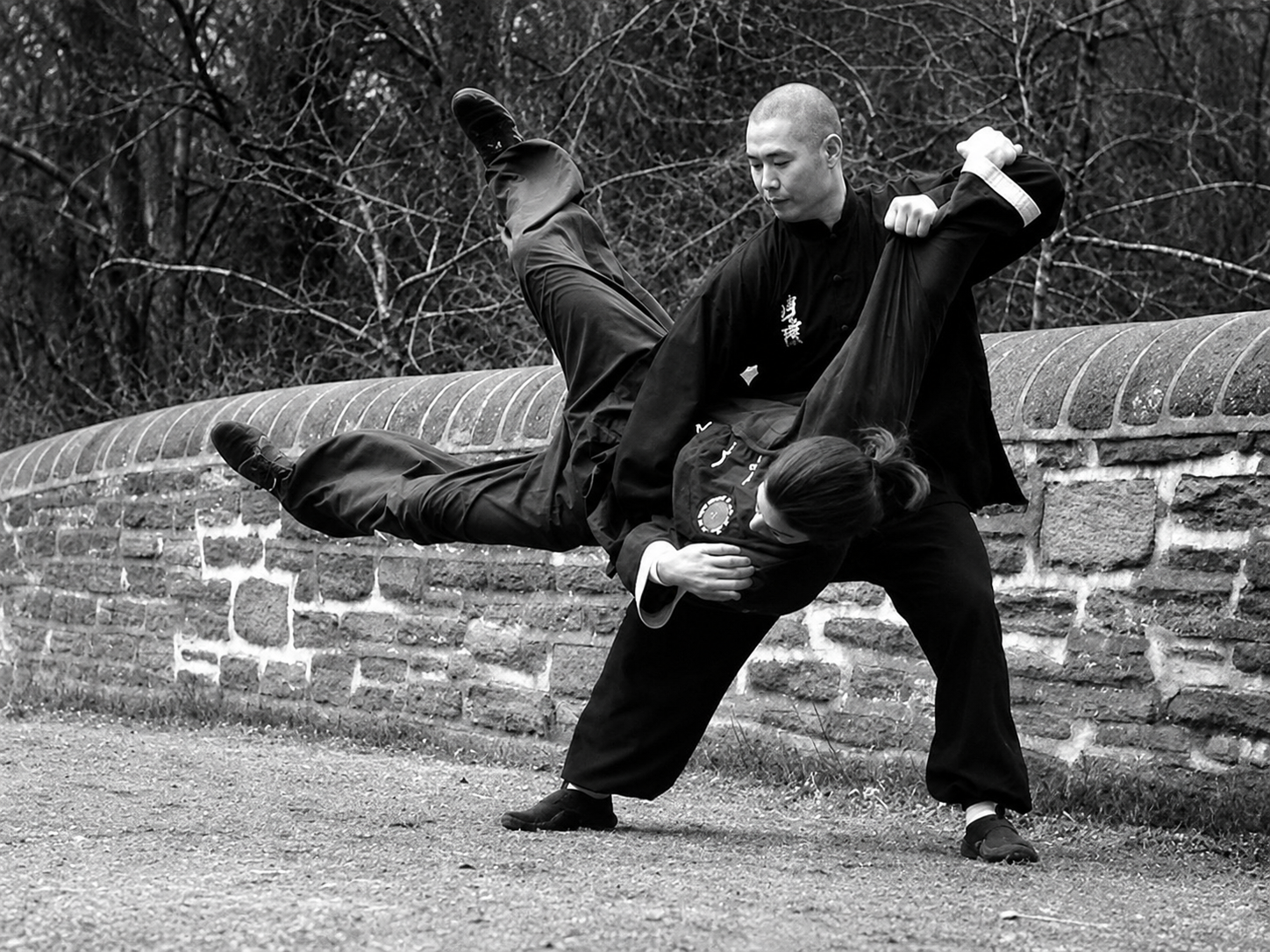
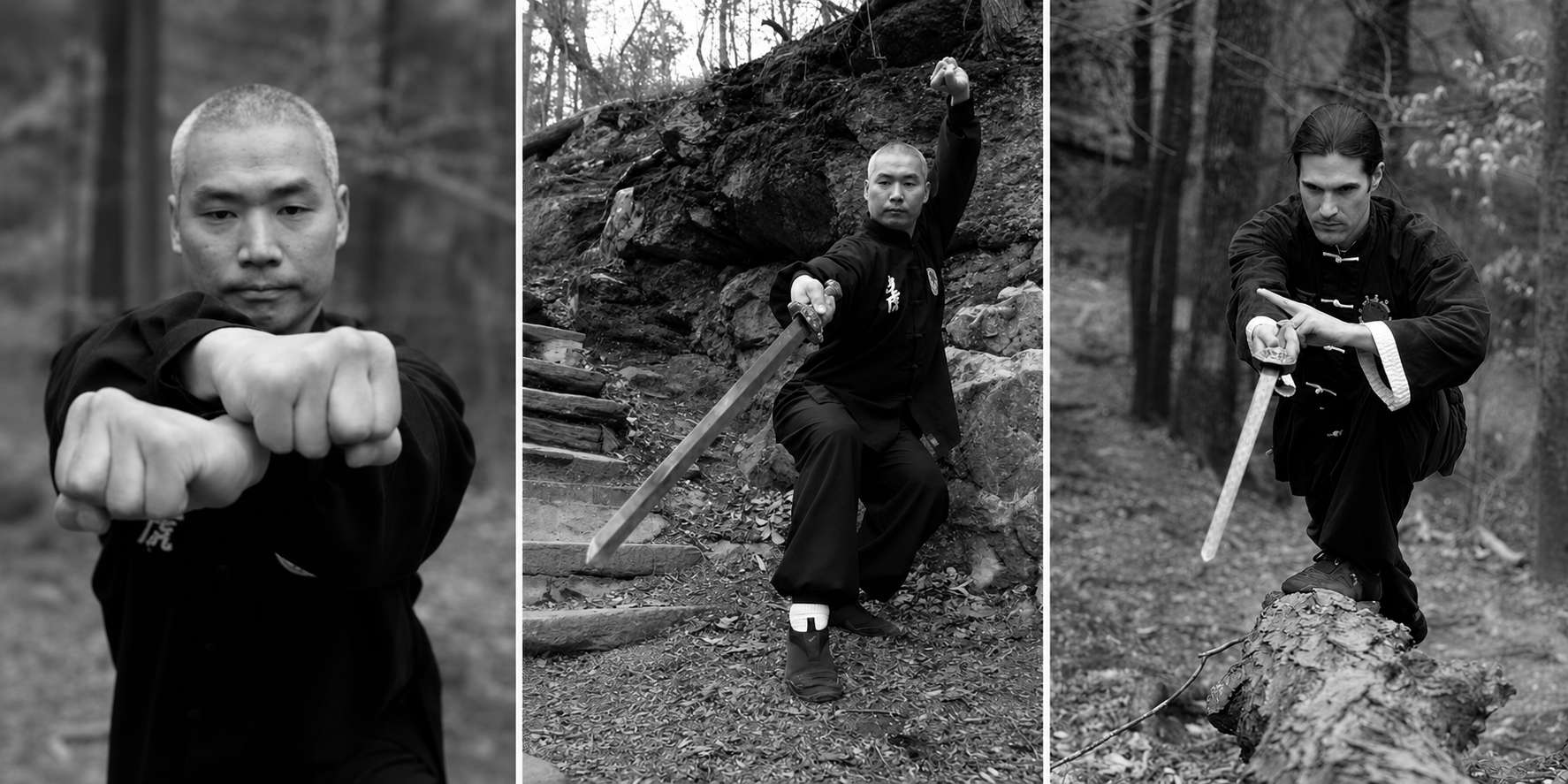
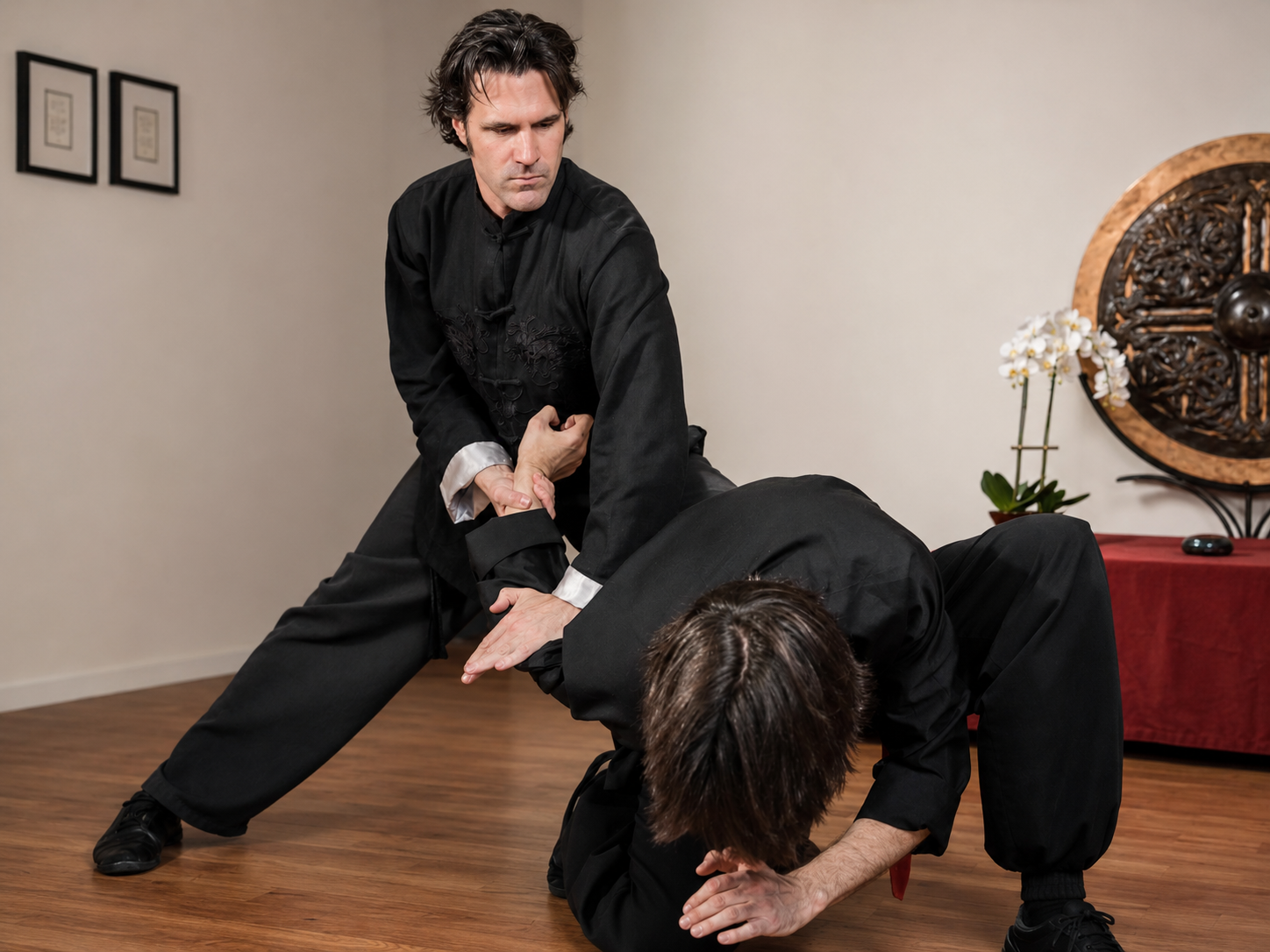
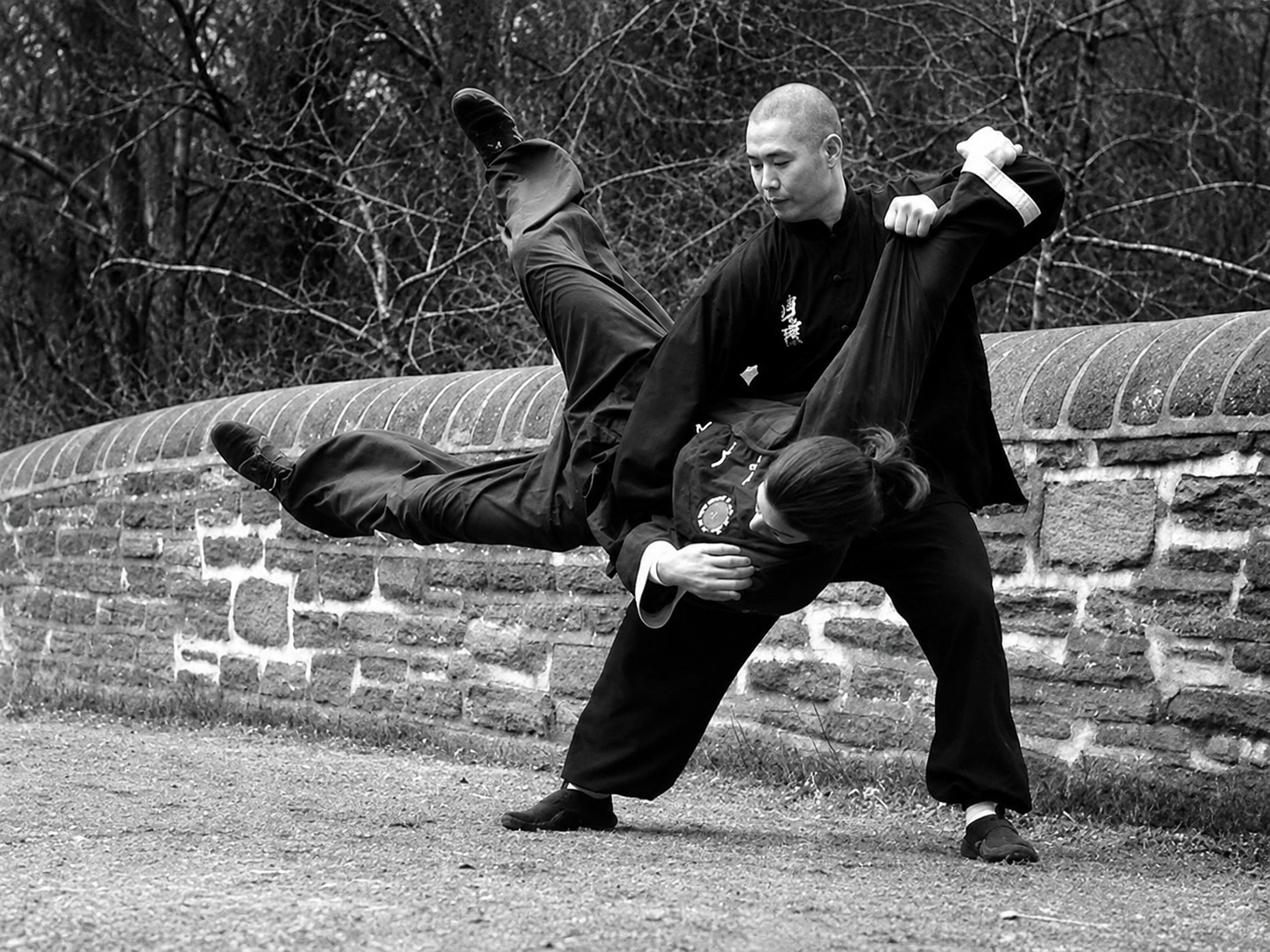
I began training in martial arts in grade school, and started formal training in Chinese Kung Fu in 1992. From 1995–2000, I trained in New York City with the Shaolin monk, the Venerable Shi Yan Ming. Later, after moving to Philadelphia, I met the unparalleled Master Jong Hoon Jeon and became his student. (That is him throwing me back in 2004, at right.)
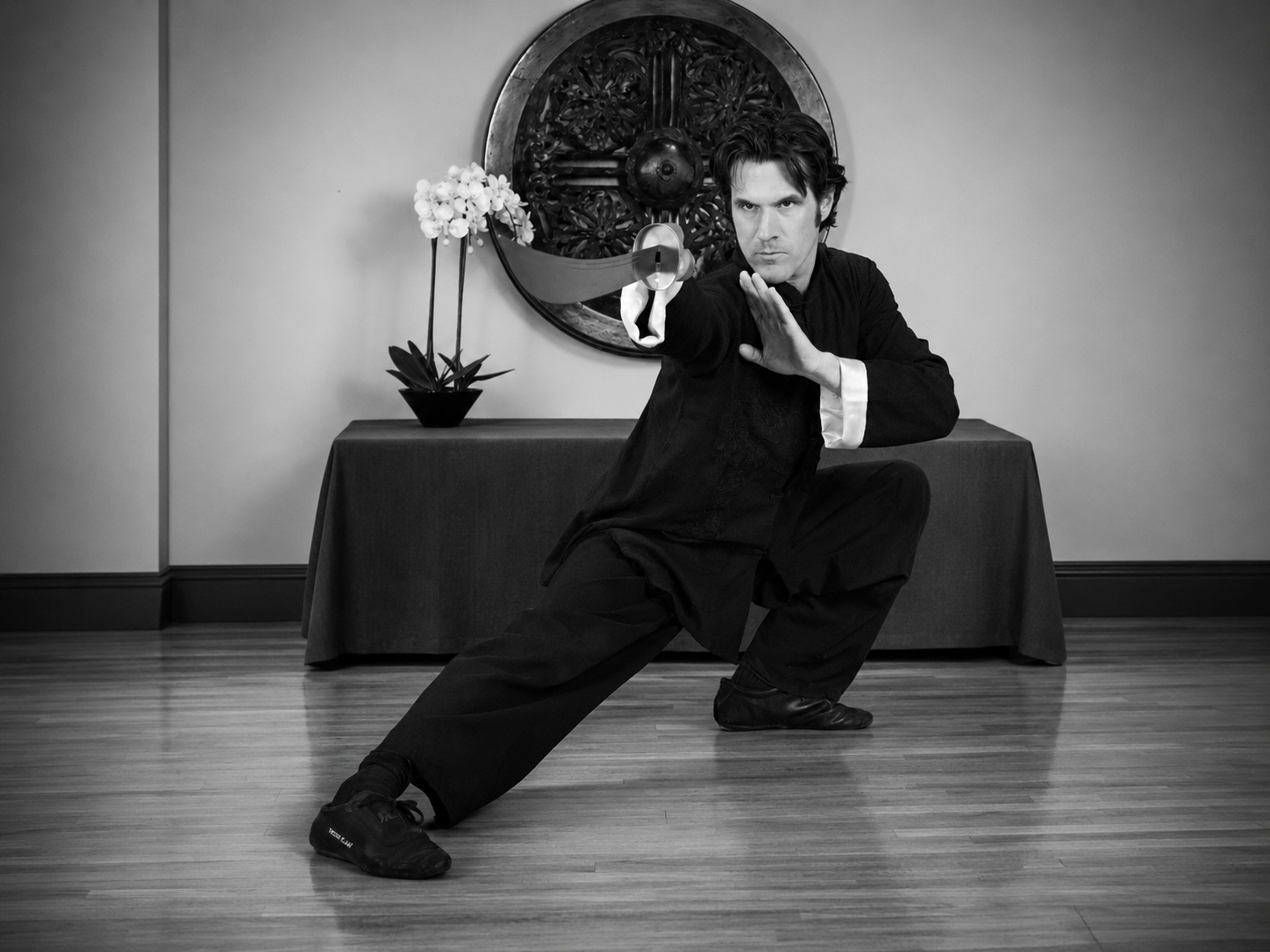
In 2001, I became Master Jeon’s disciple, agreeing to be trained in the demanding, traditional manner reserved for his most serious students. In 2002, I was awarded the title of Instructor (Si Hing) and permitted to teach independently. In 2004, I was elevated to Da Si Hing (school leader). From 2002–2005, I co-ran Master Jeon’s Philadelphia school, teaching nine classes a week. In 2008 I was elevated to Black Sash Instructor, and in 2014, Master Jeon named me a SiFu and lineage holder in his system of Northern Shaolin and Northern Praying Mantis Kung Fu.
Alongside my primary lineage training, I have also studied Jingui Qigong, Muay Thai, Western boxing, Krav Maga, grappling, kickboxing, and Iron Qigong.
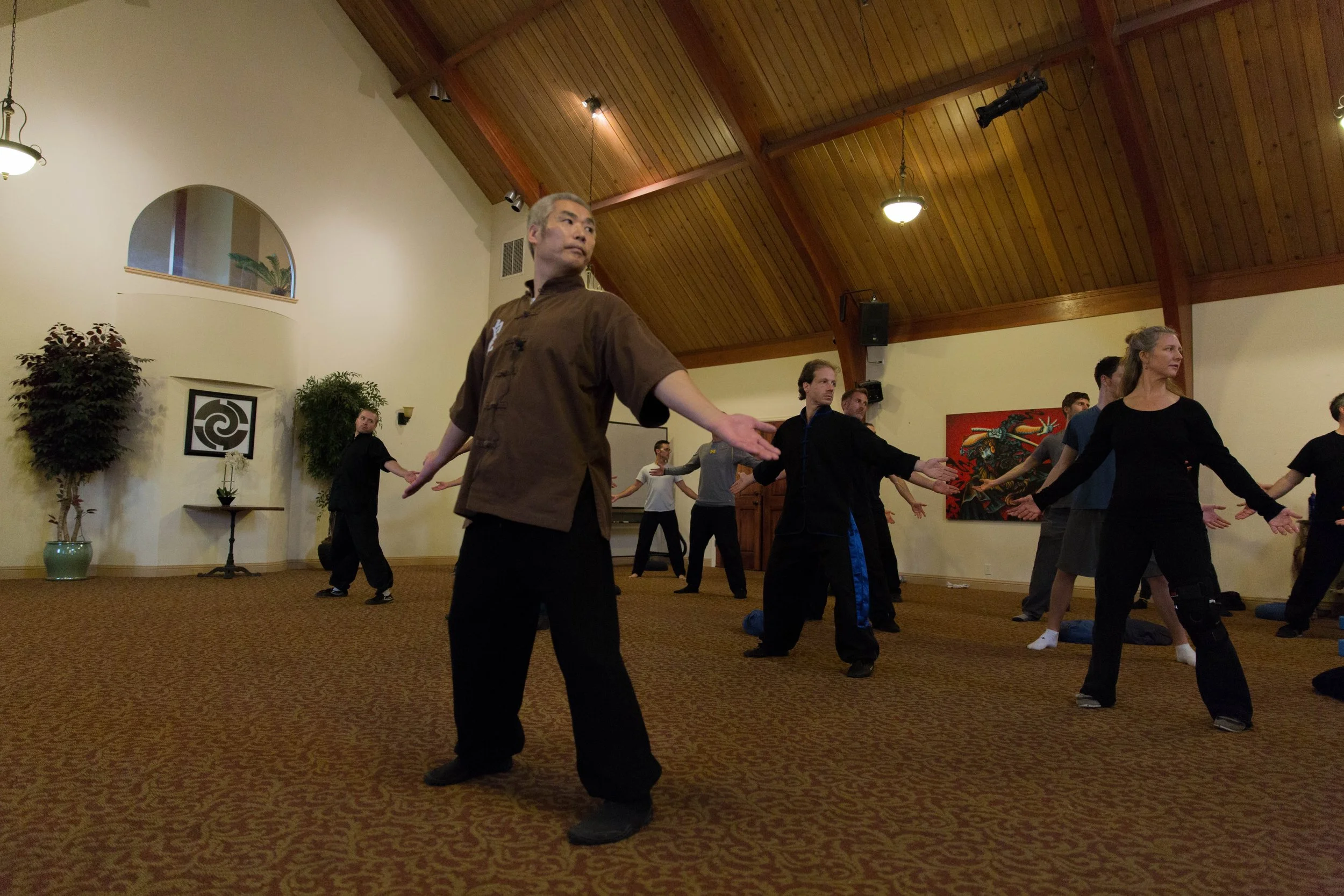
I currently teach Kung Fu and Qigong in Longmont, Colorado.
What You Will Learn
Open and Organize the Body
Establish a stable Wuji standing posture
Use the three points of the feet to create balance and root
Open and mobilize the joints
Lengthen and strengthen the tendons and ligaments
Develop flexibility throughout the gross body
Release unnecessary tension while maintaining structure
Create power without tensing or locking up
Practice the Eight Brocades
Perform the complete form from memory
Understand the structure and energetic function of each movement
Coordinate breath, attention, and movement
Move between yin and yang qualities
Modify the form for different bodies and levels of mobility
Use the form as exercise, energetic cultivation, and embodied meditation
Integrate Movement and Meditation
Sustain attention through movement
Use the breath or dantien as an object of meditation
Move seamlessly from standing practice into seated meditation
Allow sensation, emotion, and thought to arise without losing the practice
Relax focused attention into open awareness
Experience Qigong as meditation in motion
Work with Breath and Energy
Practice turtle, triangle, fire, and square breathing
Understand the different purpose of each breathing method
Build awareness in the lower dantien
Gather, settle, store, and circulate energy
Use breath to regulate, energize, stabilize, and focus the system
Begin moving energy through intention alone
Recognize the difference between genuine sensation and wishful thinking
Develop Integrated Power
Connect the feet, legs, hips, torso, and hands
Move from the dantien rather than from isolated muscular effort
Understand the relationship between relaxation and power
Generate force without tension
Explore the martial roots of Qigong through striking practice
Teach the Practice
Demonstrate clearly
Give precise, economical instructions
Observe alignment while leading a group
Offer accurate modifications and corrections
Speak about energy without exaggeration
Open and close a practice with clarity
Teach from embodied experience rather than memorized language
This is a physical practice that also trains in attention, perception, energy, and presence.
The Green Sash Certification signifies that these principles have moved far enough into your body that you can begin offering them to someone else, with precision and clarity.
How to Join
Scroll down for full course breakdown, costs, payment plan options, details, and schedule.
** Note — only three spots remain at the Early Bird price.
1.) Fill out the application
2.) Put down a fully refundable $150 deposit to hold your spot

The Nine-Month Journey
Many contemplative traditions speak of awakening through the mind, while others emphasize the opening of the heart.
Qigong asks another question: What does it mean to awaken through the body?
There is no satisfying intellectual answer. The only way to find out is to become deeply and completely embodied—to enter the physical experience closely enough that the body stops being something you carry around and becomes a field of intelligence, energy, sensation, and awareness.
That begins with very ordinary things: Feet. Joints. Breath. Balance. Flexibility. Attention.
The work grows subtler over time. The entrance remains physical, but it matures into other realms entirely.
Month One: Entering the Body
We begin by learning how to stand, which is deceptively deep. Most of us stand with years of compensation built into the body: locked knees, collapsed arches, tight hips, lifted shoulders, compressed joints, and a center of gravity that lives somewhere above the neck.
You will learn:
Wuji standing posture
The three points of the feet
Softening the knees without collapsing
Settling the tailbone and opening the hips
Stacking the spine with less effort
Suspending the crown
Opening and mobilizing the major joints
Foundational joint-stretching practices
Whole-body scanning
Awareness of the belly, heart, and energetic body
The distinction between attention and awareness
Turtle breathing
How to open and close a personal practice
The first month is about becoming available to sensation. You cannot work with what you cannot feel.
Month Three: Flexibility, Rooting, and Containment
The third month integrates the physical work.
Joint mobility, tendon and ligament opening, alignment, breath, and attention begin functioning together inside the gross body.
Flexibility here means becoming adaptable while retaining structure, receiving pressure without immediately hardening against it, and most importantly allowing force to travel through the body without losing connection.
You will learn:
Integrated flexibility throughout the gross body
The connection between the dantien and Yongquan points in the feet
Sinking weight through the legs
Rooting through the three points of each foot
Releasing unnecessary tension while maintaining structure
Maintaining awareness of the dantien under pressure
Basic partner-pressure testing
The difference between muscular bracing and integrated support
Receiving force through the whole body
The opening movements of the Eight Brocades
Closing the practice and storing energy in the dantien
The practice is to remain breathing, organized, connected, and increasingly effortless as pressure increases and conditions change, inside and outside of the body.
Month Five: Brocades Four, Five, and Six, plus broadening attention
With the first three brocades established, we begin expanding the form. Brocades Four, Five, and Six ask the body to maintain the same root, internal connection, and continuity of attention through a wider range of movement.
The form begins to demand more from the whole system.
You will learn:
Brocades Four, Five, and Six
The structure and alignment inside each movement
The purpose and energetic quality of each brocade
Breath coordination
Transitions among the first six movements
How to keep the joints open while maintaining structural integrity
How to remain connected to the dantien through turns, extensions, and changes of level
How to balance flexibility with stability
How to adapt the movements for different bodies and levels of mobility
How to feel each movement as part of a continuous energetic sequence
By the end of the month, you should be able to practice Brocades One through Six from memory. The movements should also begin feeling connected from within. The form becomes less like a collection of exercises and more like a single living organism.
Month Seven: The Complete Form
By this point, students have learned all eight brocades.
Month Seven is devoted to bringing them together. The challenge now is continuity: maintaining root, breath, attention, alignment, dantien awareness, and energetic connection through the entire sequence.
You will learn:
The complete Eight Brocades from memory
Smooth transitions among all eight movements
How to maintain the three points of the feet throughout the form
How to move continuously from the dantien
How to coordinate breath, attention, and movement
How to preserve internal connection as the body changes direction
How to move through the first seven brocades as a sustained cultivation of yin
How to sharpen the final brocade into yang
How to complete the form with the 18-punch sequence
How to modify the full form for different bodies and levels of mobility
How to lead the entire sequence without losing your own practice
Month Nine: Integration and Green Sash Certification
The final month brings the entire training together.
Students will integrate posture, breath, dantien, rooting, circulation, form, meditation, and teaching into one coherent practice.
You will demonstrate:
The complete Eight Brocades from memory
Turtle, triangle, fire, and square breathing
Foundational joint-opening practices
Foundational tendon and ligament work
Integrated gross-body flexibility
Rooting through the three points of the feet
Maintaining structure under pressure
Foundational energetic circulation
Dantien-led movement
The transition from yin into yang
Movement-to-meditation integration
The ability to teach a beginning-level class
You will also complete:
A final teaching practicum
A personal-practice reflection
A basic written or oral examination
A plan for continued training
An agreement regarding ethics, authorization, and scope of practice
Month Two: Breath and the Dantien
Once the body begins to open, we bring greater precision to the breath. Students learn four foundational breathing practices:
Turtle breathing
Triangle breathing
Fire breathing
Square breathing
Each breath does something different. Some settle the system, or gather and contain energy, or create heat and activation, or sharpen concentration. Over time, students learn which breath to use, when to use it, and when to leave the breath alone.
We also begin working directly with the lower dantien: the energetic and structural center of the practice.
You will learn:
Natural abdominal breathing
Three-part breathing
The location and function of the lower dantien
The crystal-and-flame visualization used in this lineage
How to gather attention and energy in the belly
The differences among activating, balancing, settling, and storing
How posture changes the effect of breath
How to recognize strain and over-efforting
How to return to natural breathing when needed
Practices for opening the ligaments and tendons
How connective tissue changes the feeling of movement and structure
The joints create space. The tendons and ligaments begin connecting that space into a living system.
Month Four: Circulation + Brocades
Once the body can gather and contain energy, we begin learning how to move it.
You will work with the foundational energetic pathways used in this lineage, including the movement of energy through the feet, legs, dantien, spine, crown, and front of the body.
At first, breath carries the attention. Over time, intention becomes enough.
You will learn:
The first three brocades
The difference between gathering, storing, circulating, and expressing energy
Microscopic breathing
Macroscopic breathing
Drawing energy from the feet into the dantien
Moving energy from the dantien through the back and over the crown
Returning energy down the front of the body
Closing the circuit and storing energy
Using breath to guide circulation
Using attention and intention to guide circulation
Recognizing when the practice becomes forced, strained, or overly conceptual
Returning to the dantien when the system feels scattered
This month develops sensitivity.
The body begins to reveal itself as a network of pathways rather than a collection of separate parts.
The breath starts the movement. Attention learns to continue it.
Month Six: Brocades Seven and Eight—Power and Expression
The final two brocades complete the form and begin revealing its martial dimension. Qigong is often presented as a gentle health practice. It also belongs to a fighting tradition.
This month explores how root, dantien, breath, fascia, structure, and intention come together to create whole-body power.
You will learn:
Brocades Seven and Eight
The structure and alignment inside each movement
How the first seven brocades gather, open, settle, and cultivate yin
How the eighth brocade begins sharpening yin into yang
The relationship between gathering and expression
Dantien-led movement
Whole-body coordination
Connecting the feet, legs, hips, torso, and hands
Releasing force through an integrated structure
The role of relaxation in speed and power
Fire breathing as an activating practice
The 18-punch closing sequence
Basic martial applications of the form
Safe introductory striking practice
Power reveals the quality of the structure. Disconnection means effort leaks into the shoulders, arms, jaw, and breath. Connection means force travels through the entire system.
This month gives students their first direct experience of that difference.
Month Eight: Integration, & Learning to Teach
This month deepens Qigong as meditation.
You will learn:
How to sustain attention through the complete form
How to use the breath or dantien as an object of meditation
How to allow sensation, emotion, and thought to arise without losing the practice
How to move from focused attention into open awareness
How to transition seamlessly from the form into seated meditation
How to create one continuous arc of movement, breath, stillness, and awareness
What does it mean to awaken through the body?
The only way to discover that is to become deeply and completely embodied. The full form becomes the field in which that exploration takes place.
Teaching
Teaching Qigong requires more than knowing the movements. You have to see what is happening in another person’s body.
You have to know when to speak, when to demonstrate, when to correct, and when to leave someone alone long enough for the practice to teach them.
You also have to understand the limits of what you know.
This month turns personal practice into transmission.
Each student will lead short teaching segments and receive direct feedback. We will look at accuracy, pacing, presence, clarity, and the ability to see what’s happening in others.
Certification is based on demonstrated competency. Students who are ready will receive the Green Sash and authorization to teach the foundational material contained in the program.
The Path Beyond Green Sash
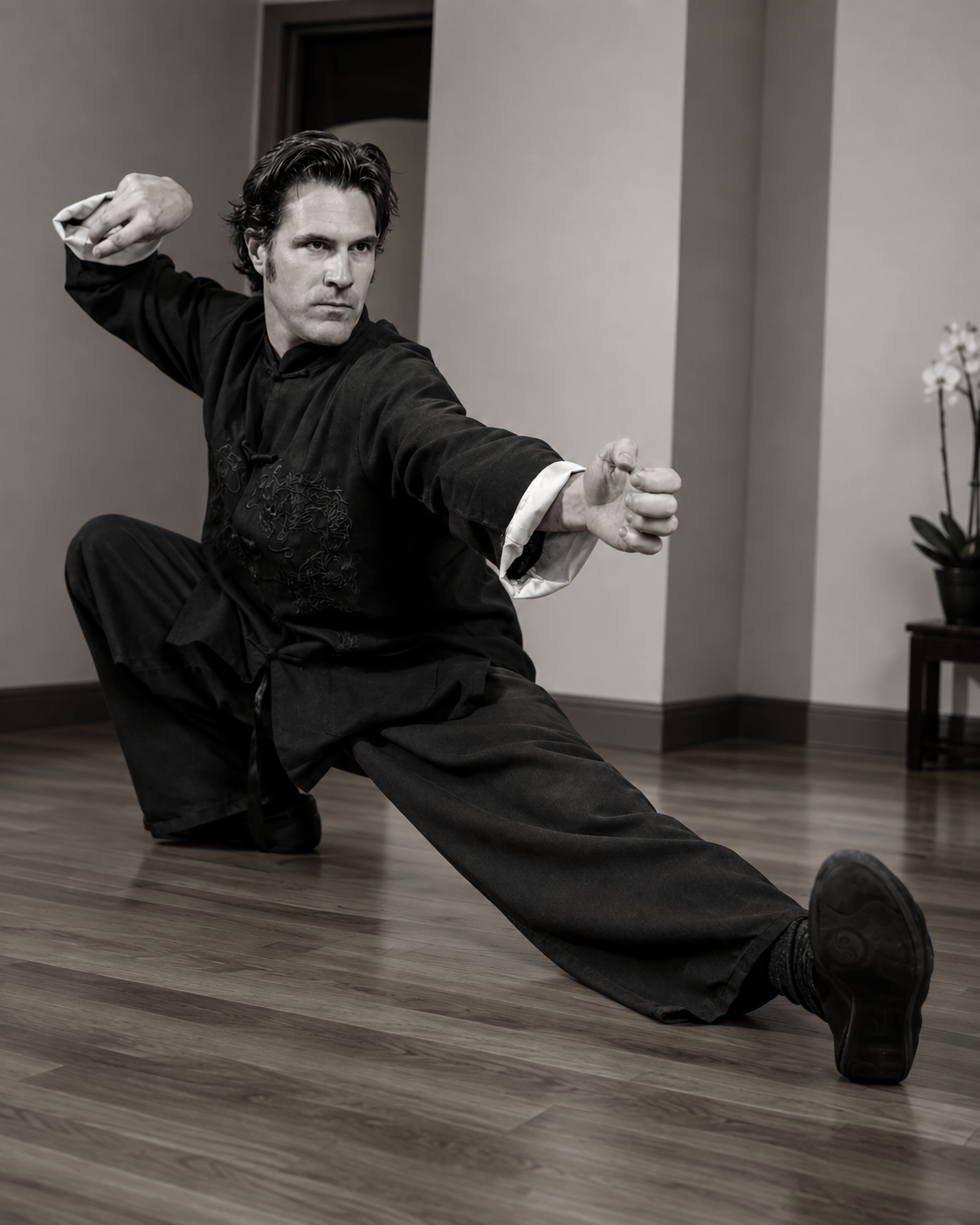
Red Sash: Integrated Qigong
The Red Sash introduces the foundations of Hard Qigong.
This work brings greater intensity to breath, structure, pressure, impact, and the body’s ability to receive and express force.
Training includes foundational Hard Qigong practices for:
The belly
The hands
Breath under pressure
Structural conditioning
Progressive impact
Internal organization
Whole-body power
Recovery and restoration
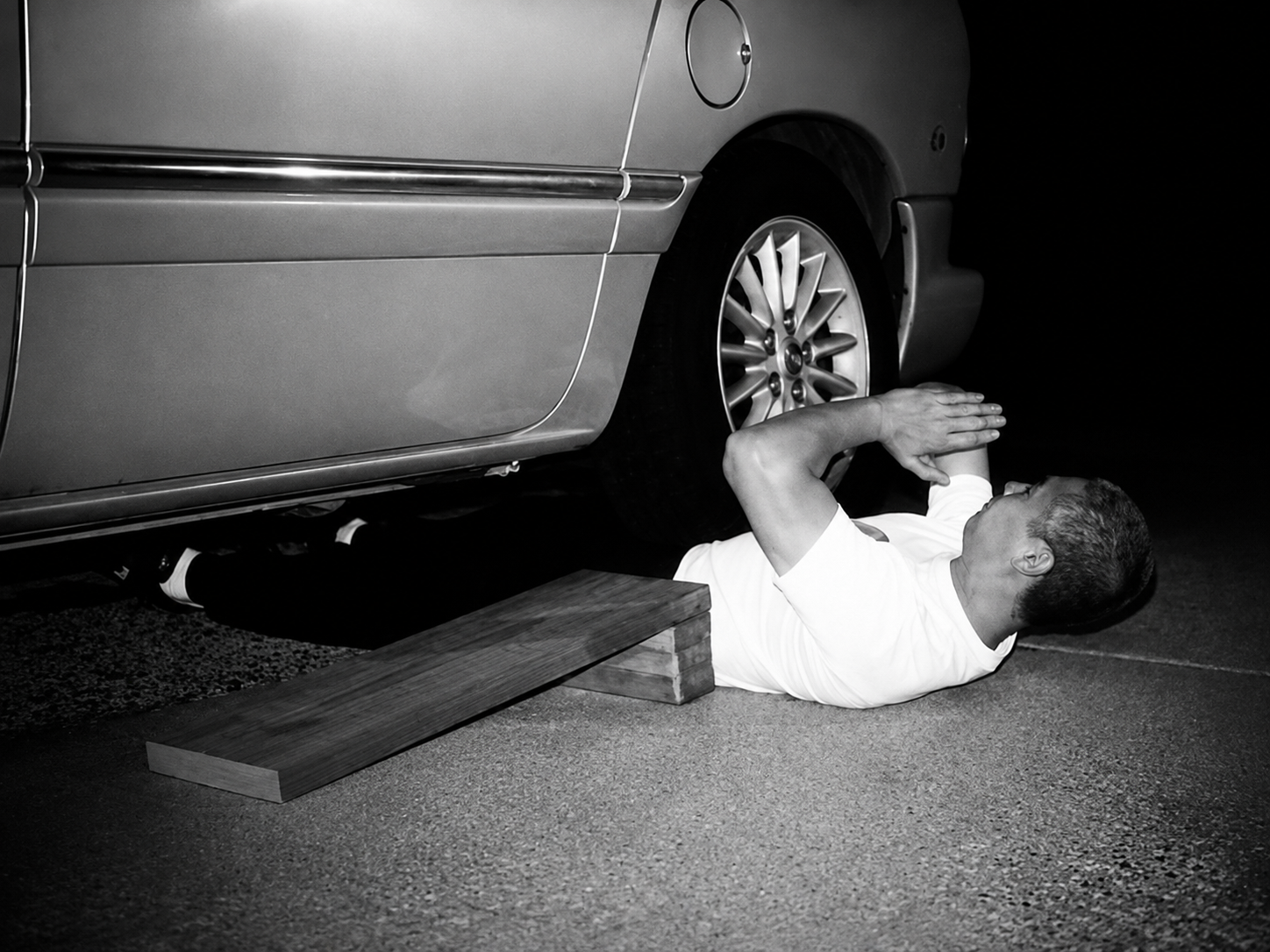
Hard Qigong requires patience, precision, and progressive conditioning. The body must be prepared carefully. The practices become more demanding, and the consequences of sloppy training become more immediate.
The Green Sash creates the vessel. The Red Sash begins testing and strengthening it. Will be offered in the fall of 2027.
Black Sash: Advanced Practice
The Black Sash carries a deeper level of training and responsibility. Black Sash practice includes:
Advanced Iron Palm and Iron Arm
Iron Foot
Iron Belly
Advanced breath and structural conditioning
The capacity to gather and store energy
The capacity to discharge energy with martial intent and impact
The development of penetrative power
Recovery and restoration practices
The ability to train and assess students through the Red Sash level
Students will also learn to distinguish between two very different uses of cultivated energy. The first is heart-centered practice: meeting another person through presence, sensitivity, and connection—what we call ringing the bell with a partner. The second is martial practice, rooted in the penetrative and damaging power associated with liver energy.
Both practices require attention, intention, embodiment, and control. They organize the energy differently and serve entirely different purposes. The Black Sash program will be offered in the fall of 2028.

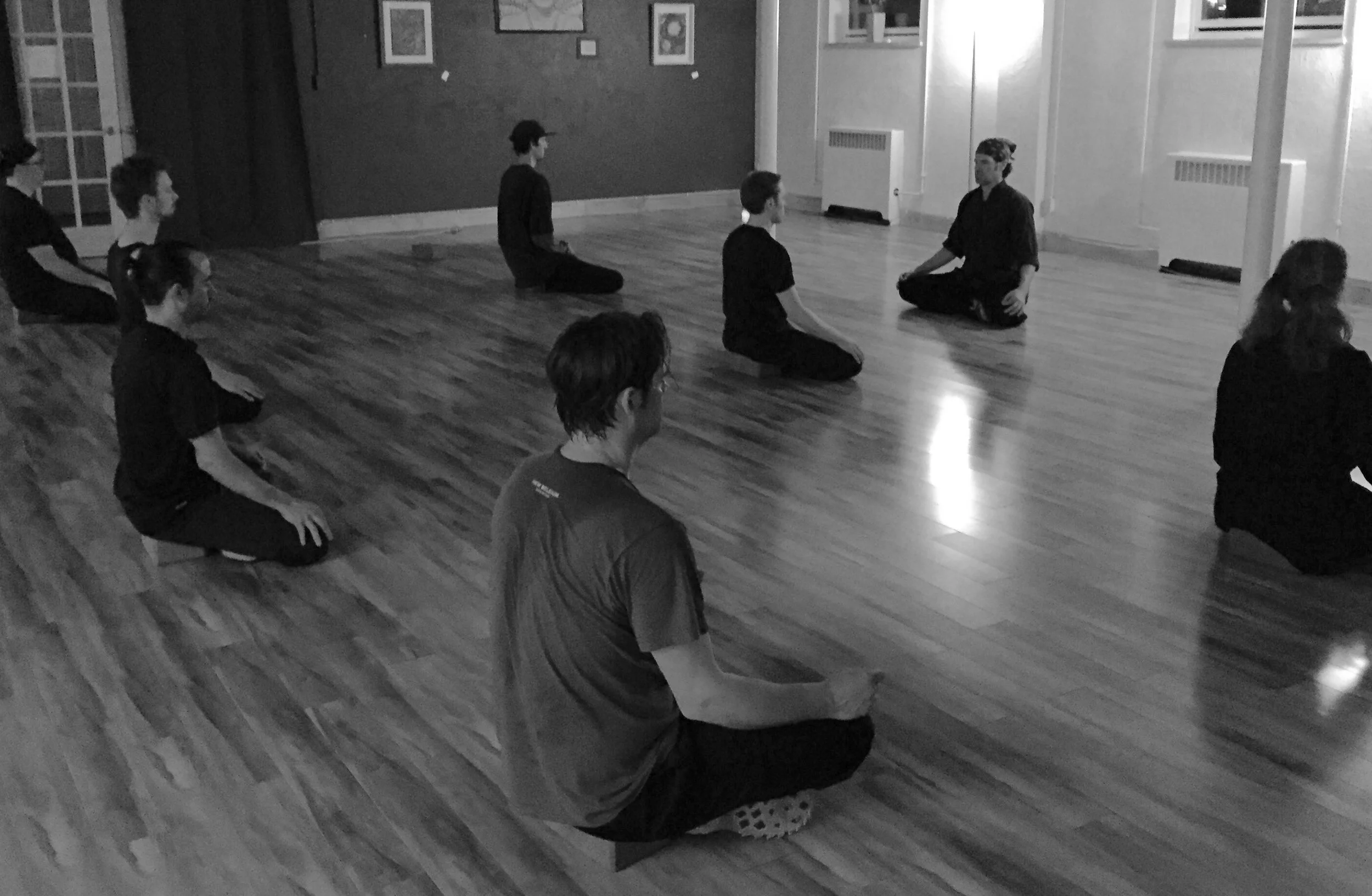
Program Details
The Green Sash training runs for nine months. It includes:
36 weekly classes, 90 minutes per class,
8 monthly weekend intensives, 2 hours per intensive
72 hours of live instruction
Personal practice between classes
Teaching exercises and supervised practicums
A final competency assessment
Schedule
Program dates: Every Tuesday, October 27–July 27, 2027
Weekly class: Tuesdays, 3pm PT, 6pm ET
Time: 90 minutes
Monthly intensive: Saturdays, times and days TBD
Location: Online
Recordings will be available for review and for limited make-up use.
Attendance
Students must attend at least:
30 of the 36 weekly classes
5 of the 8 monthly intensives
Missed sessions may be made up through recordings, written reflection, practice review, or another approved assignment. Consistent personal practice is also required.
Certification reflects demonstrated competency rather than hours alone.
Cohort Size
The founding cohort will be limited to 8 students, with room to expand to 15. Once the first 8 spots are sold, there will no longer be an early bird price regardless of the date.
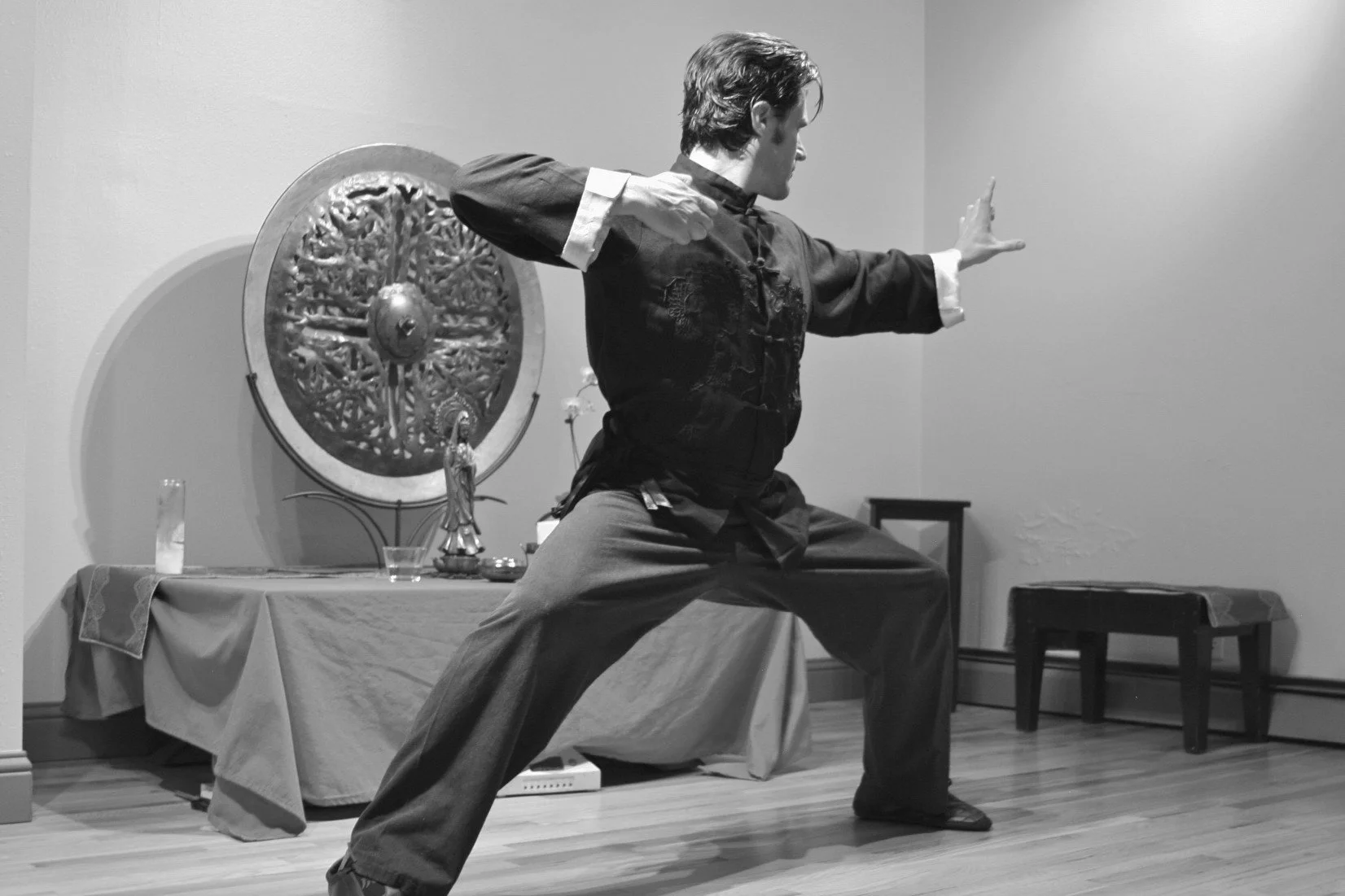
Tuition & Certification
Early Bird Tuition — $1,995 — only 3 spots remain!
Available through Sept 25 or until the founding cohort of 8 is filled.
Payment Plan — 9 monthly payments of $240
Standard Tuition — $2,250
Payment Plan — 9 monthly payments of $275
Certification
Students who complete the program and demonstrate competency will receive the Green Sash Certification in Foundational Qigong.
Students who complete the training and need additional time may receive a certificate of completion, continue practicing, and return for reassessment.
How to Join
Scroll down for full course breakdown, costs, payment plan options, details, and schedule.
1.) Fill out the application
2.) Put down a fully refundable $150 deposit to hold your spot